
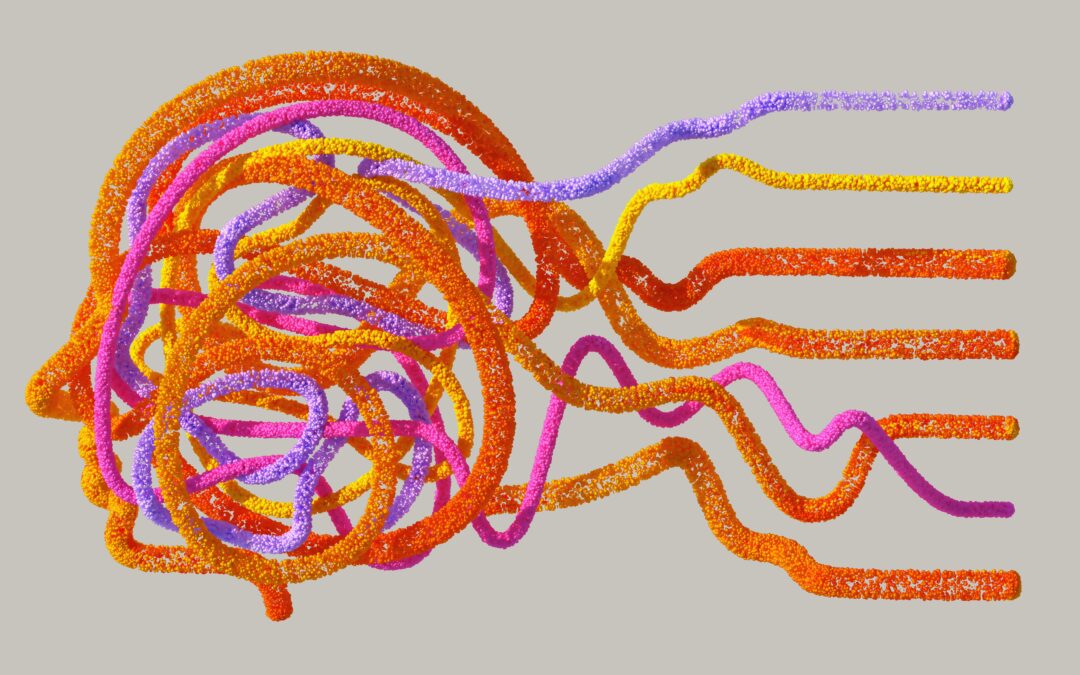
If your child is an anxious person, their brain is constantly running a script they didn’t ask for. It’s a hyper-focused, looping program of “what-ifs,” physical tension, and worst-case scenarios.
For many gamers, the immediate antidote to this mental noise is jumping into a virtual world. In a video game, they have clear rules, immediate feedback, and absolute control. It feels like the perfect escape from anxiety. But often, it’s just a temporary pause button. The moment they log off, the anxiety rushes back, sometimes worse because of the guilt of “wasting time.”
What if there was a way they could use their brain’s own hardware to neutralize anxiety, without relying on a digital screen?
Enter the neuroscience of creativity.
To understand why creativity is the ultimate anxiety killer, we have to look at how the brain is wired. Anxiety and creativity cannot actively fire in the same neural pathways at the exact same time.
When your child is anxious, their brain’s threat detector—the amygdala—is in overdrive. Their prefrontal cortex gets hijacked by survival mode. They are locked into a rigid, repetitive loop of fear.
But when they engage in a creative act, they activate a completely different network, often triggering what psychologists call a flow state. Creativity requires cognitive flexibility, problem-solving, and novel thinking. It shifts their brain from a state of passive threat reaction to active creation.
Because their brain has limited attentional bandwidth, forcing it to navigate the open-ended, non-linear tracks of creativity effectively derails the anxiety train. They aren’t just distracting themself; they are physically altering their neural firing patterns.
Many gamers who want to cut back find themselves trapped. They try to reduce their screen time through sheer willpower, only to find their anxiety spiking. Without the game to numb the noise, the brain defaults right back to panic mode.
Gaming feels creative because they are exploring worlds or building strategies, but for an addicted or compulsive gamer, it often becomes a passive consumption habit or a rigid routine driven by dopamine loops. It is a coping mechanism designed for escape.
Creativity, on the other hand, is about expression. Instead of consuming a world someone else built to hide from their feelings, they are building something out of their own mind to help them process.
To replace some of the high-engagement stimulation of gaming, they need hands-on hobbies that tap into the same raw mechanics gamers love: problem-solving, spatial awareness, optimization, and tactical patience.
Bonus points if you dive into these projects alongside your child—not only does it pull them away from the screen, but sharing the tactile, zero-pressure process of creating something together builds a shared flow state that breaks the isolation of anxiety.

- Miniature Painting & Terrain Building: If they love fantasy or sci-fi games, have them buy cheap plastic miniatures (like Warhammer or D&D) or build ruins out of foam and cardboard. Priming, shading, and dry-brushing require absolute, razor-sharp focus that completely silences an anxious mind.
- Leatherworking or Paracord Crafting: This is pure geometric problem-solving. Crafting a minimalist leather wallet, a knife sheath, or a tactical paracord bracelet requires precise measurements and physical force. It keeps their hands busy and gives them a durable, useful product.
- Air-Dry Clay Sculpting:
Perfect for players who love character customization or building mechanics. Air-dry clay requires zero artistic training or expensive ovens. They can sculpt simple trinket dishes, small fantasy creatures, or miniature room accessories, then paint them with acrylics once dry. It is highly tactile and grounds an anxious mind instantly. - Pressed Flower Framing & Botanical Art:
For the gamer who loves foraging, gathering resources, or exploring in games like Animal Crossing or Stardew Valley, have them collect leaves or flowers on a walk, press them in a heavy book, and arrange them geometrically inside a glass frame to turn “inventory gathering” into peaceful, visual art. - Mechanical Restoration & Modding: Have them take apart old mechanical watches, repair broken analog electronics, or mod retro handheld consoles. The meticulous puzzle of organizing tiny screws and understanding how gears interlock uses the exact same analytical brainpower as a high-level strategy game.
- Woodcarving (Whittling): Purchase them a pocket knife, a block of basswood, and a thumb guard. Whittling forces them to slow down, read the grain of the wood, and focus entirely on the physical cuts. It is a highly meditative, high-stakes hobby where their mind cannot afford to wander.
- Scale Model Kits: Building highly detailed historical tanks, fighter jets, or Gundam models satisfies the desire for complex systems. Following intricate blueprints, clipping parts, and weathering the plastic with paint offers the same structural satisfaction as completing an in-game questline.
- Stencil Art & Spray Painting: You don’t need to know how to draw to make incredible visual art. Cut simple shapes or gaming logos out of cardboard, lay them over a canvas or wooden board, and use spray paint to create crisp, high-contrast streetwear-style art. It’s fast, highly satisfying, and relies on mechanical precision rather than drawing skill.
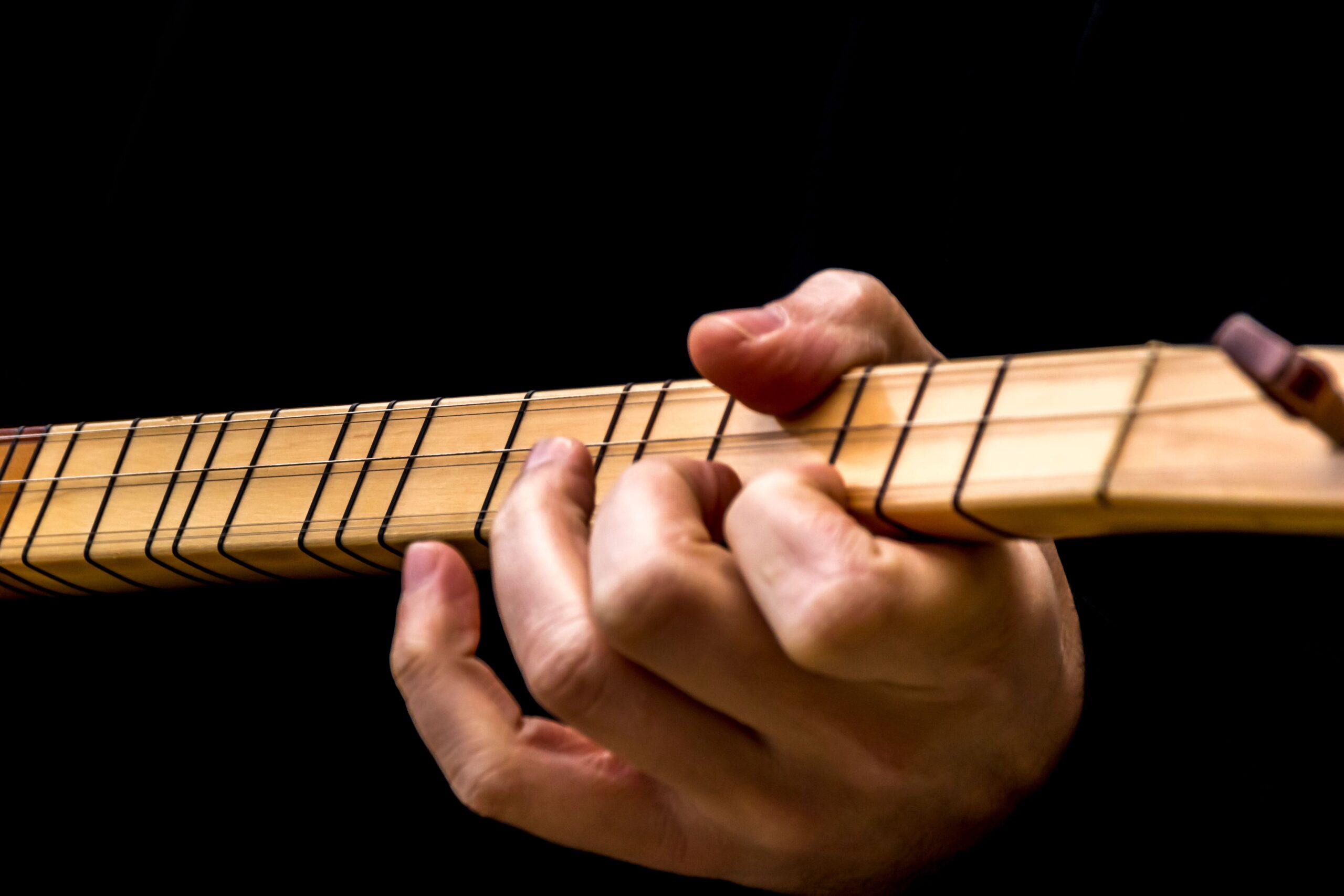
- Acoustic Cigar Box Guitar: These are 3-string or 4-string guitars that are incredibly easy to play compared to a standard guitar. Because they are often tuned to an open chord, they can make them sound amazing just by sliding one finger up and down the neck. It gives them the immediate, rhythmic feedback of a video game without the steep musical learning curve.
Your child, including your adult child, doesn’t have to live at the mercy of an anxious mind, and they don’t need a digital screen to escape it. By choosing to build, carve, paint, or restore something, without a screen, they are exercising the ultimate neurological veto power over their panic loops. They aren’t just giving up an old habit; they are taking control of their focus, shifting their brain from a state of passive threat reaction to active creation. Encourage them to pick up a tool, get their hands dirty, and let their brain do what it was actually wired to do: create.