
For me, the month of June has become deeply connected to the story of video gaming addiction, recovery, and the work that has become my life’s mission.
Long before the world officially recognized Gaming Disorder, my family was living the reality of it.
Like so many parents, I watched my bright, talented son slowly disappear into a virtual world that offered him a sense of achievement, connection, and escape, while his life outside the screen was beginning to unravel. I endured the fear, confusion, and heartbreak that come with watching someone you love lose control over a behaviour that many people still viewed as “just a hobby.”
By June of 2018, Jake had achieved one year of gaming sobriety, and I had already begun speaking publicly about our family’s experience in hopes of raising awareness and helping other families recognize they were not alone.
Then came June 18, 2018—a day I will never forget.
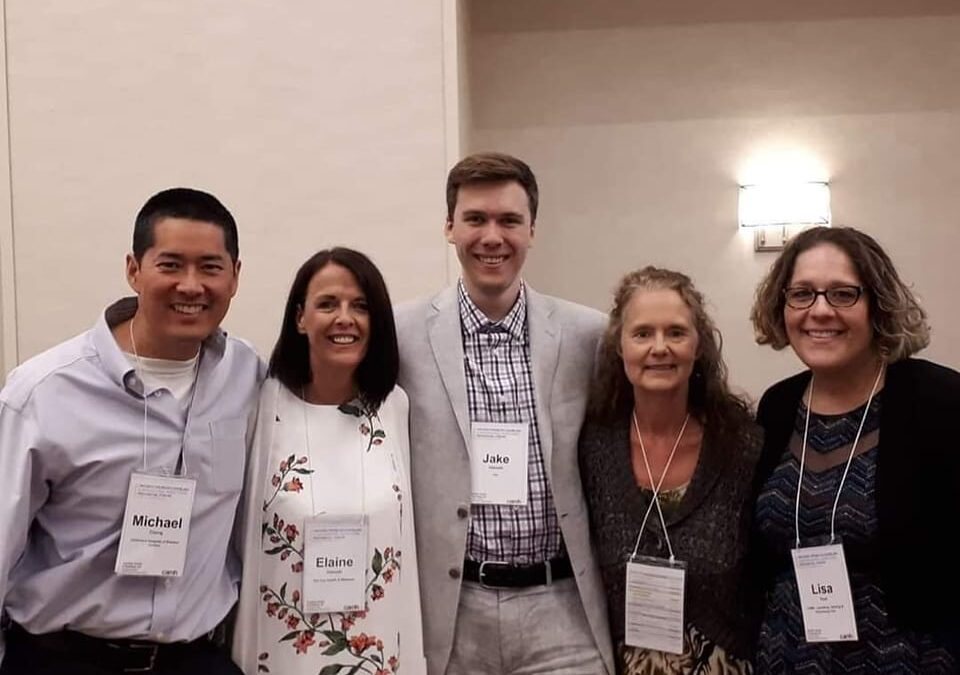
That morning, Jake and I stood together for the first time as co-presenters at the CAMH Provincial Forum, sharing our journey with 140 frontline mental health professionals. An hour before our presentation, we received the news that the World Health Organization had officially recognized Gaming Disorder within the International Classification of Diseases.
This news was then shared by the keynote speaker, and the room erupted in applause.
It was an emotional and powerful moment—not because the announcement started our mission, but because it confirmed what we, and so many other families and professionals, had already experienced firsthand: problematic gaming could become a serious and life-altering condition deserving of understanding, compassion, and appropriate support.
At the end of our presentation, Jake received a standing ovation. To witness him—only one year into his recovery—standing before a room of professionals and sharing his story with honesty and courage was a moment I will carry with me forever.
Looking back now, I realize that June 18 represented a turning point in the broader conversation around gaming addiction. It gave legitimacy to a struggle that many families had been navigating quietly and often without support.
Over the years that followed, that validation strengthened my commitment to this work. What began as a mother searching desperately for answers has grown into a career dedicated to education, advocacy, and supporting families affected by problematic gaming.
I have had the privilege of speaking across communities, coaching parents and young adults, and writing books that blend lived experience with professional insight.
For many young people, gaming provides regulation, connection, achievement, identity, and a temporary escape from overwhelming emotions. True recovery is not simply about taking away the screen—it is about helping them build a life where they can find those same needs met in healthier, more sustainable ways.
As another June arrives, I feel both gratitude and hope.
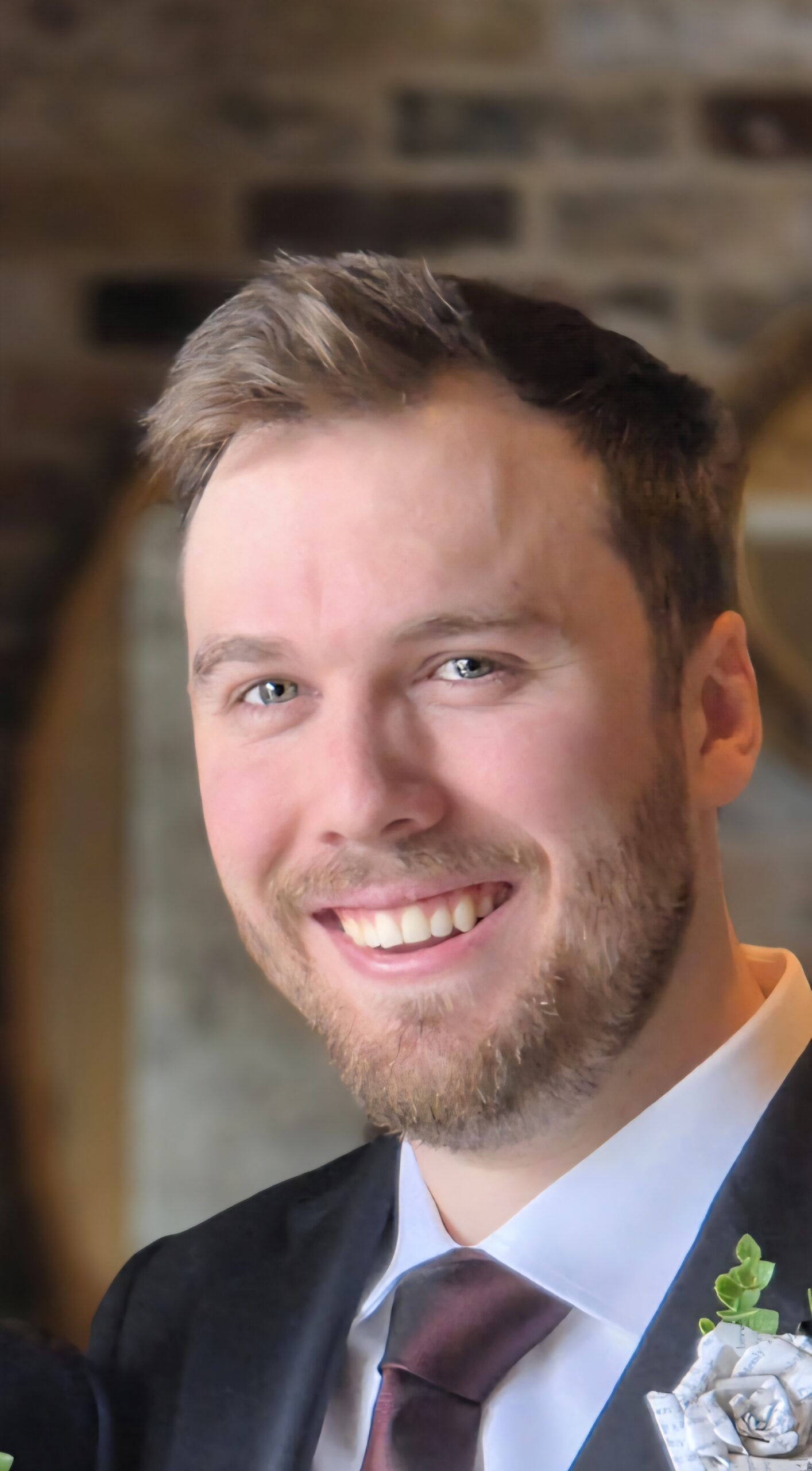
Gratitude for Jake’s remarkable recovery and his nine years of gaming sobriety, for the opportunity to turn our family’s experience into a mission that helps others, and for the growing recognition of gaming addiction as a serious issue.
And hope that with continued awareness, research, and compassionate intervention, more families will find answers sooner and more young people will discover that life beyond the screen can be rich, meaningful, and fulfilling.
Eight years ago, the World Health Organization validated what we already knew.
Today, the movement to understand, prevent, and treat gaming addiction continues—and I am honoured to be part of that conversation.